
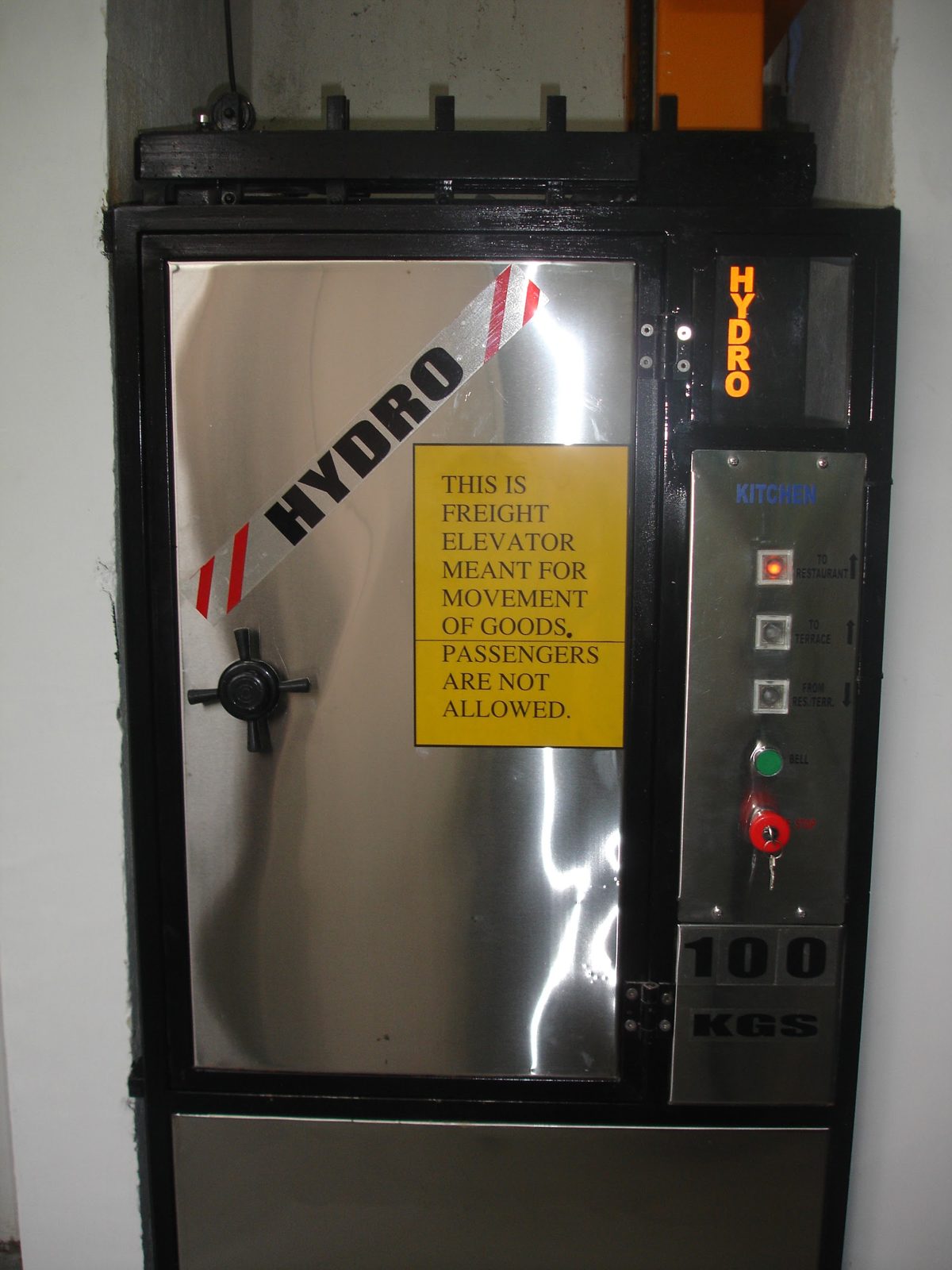
The first question most buyers ask is the price. A dumb waiter lift does not have one standard price, because loads, floors and finishes differ. These are the factors that move the cost.
Factors that set the price
- Load capacity. Hydro Fabs dumb waiters start from 50 kg.
- Number of stops. Each extra floor adds travel and a door.
- Travel height.
- Car and shaft size.
- Doors. Type, material and finish.
- Finish. Stainless steel or a painted finish.
- Controls. Call and send buttons on each floor.
Other costs to add
- Shaft construction if there is none.
- Power supply.
- Installation and testing.
- Annual maintenance.
Why one price list does not work
Each lift is custom built to your space. A small home unit and a hospital unit with several stops are very different jobs.
Ways to keep cost sensible
- Size the car to the actual load, not a larger one.
- Limit the number of stops to those you need.
- Plan the shaft with the building design.
- Choose a finish that suits the use.
Questions to ask in the quote
- Does the price include the car, doors, controls and power pack?
- Is installation and testing included?
- What does the warranty cover?
- What does a service visit cost?
What a basic and a premium dumb waiter look like
A basic dumb waiter has a painted car, a few stops and standard doors. A premium one may have stainless steel inside and out, glass or special doors, a soft start and quiet drive, and finishes to match an interior. Both do the same job, so the difference is looks and features, not whether it works.
Typical decisions that change cost
- Two stops or four.
- Painted or stainless car.
- Manual or powered doors.
- Standard or custom shaft size.
- New build or fitting into an existing building.
Tell us your priorities, and we will show where cost can be reduced without losing safety or reliability.
Get a clear quote
Share floors, load, shaft size and finish. Read the dumb waiter lift guide and see the dumb waiter range. Then ask for a quote.