
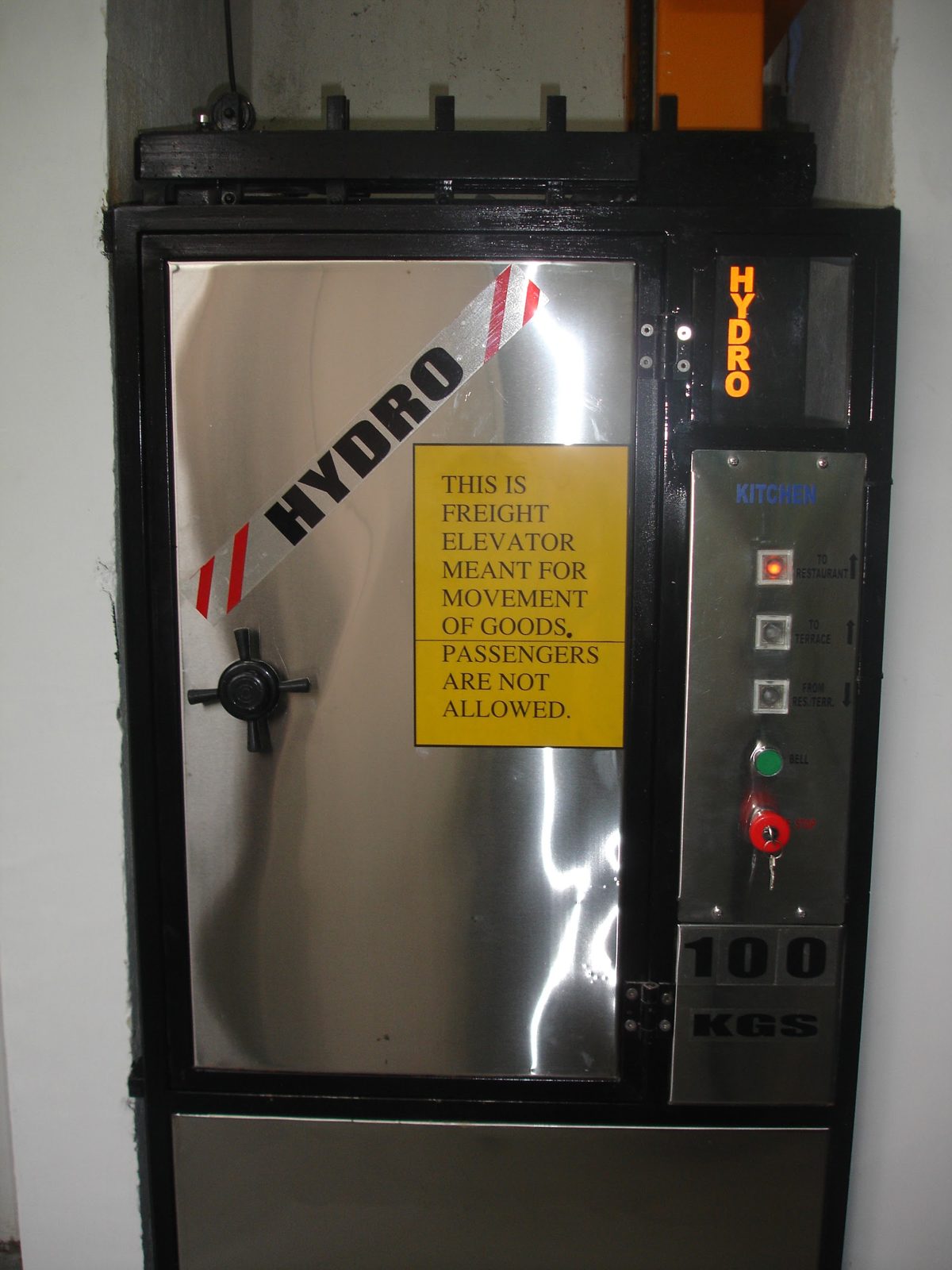
A dumbwaiter lift saves steps and time wherever goods travel between floors. Each building type has its own needs, so the planning questions change. Use this guide to prepare before you ask for a quote.
Restaurants and hotels
Speed and hygiene matter most. Choose a stainless steel or easy-clean car, set the stops at the kitchen and the serving floor, and place the door at a comfortable height. Think about where trays will rest once they arrive.
Hospitals and clinics
Lifts carry samples, files, linen and supplies. Quiet running, smooth stopping and doors that close firmly are worth specifying. Keep the load light and clearly labelled.
Homes and villas
Home dumbwaiters often link a kitchen to an upper dining area or a store to a bedroom floor. Compact size and a finish that matches the interior are the main choices. See also hydraulic lift for home.
Planning checklist
- Heaviest load and largest item size.
- Number of floors and height between stops.
- Shaft position and size, new or existing.
- Door type, height from floor and finish.
- Control position: call buttons at each floor.
- Power supply and the place for the power pack.
Safety and care
- Doors interlocked so the car cannot move with a door open.
- A load plate showing the rated weight.
- Regular oil and moving-part checks under an AMC.
Common planning errors
- Making the car too small for the largest tray, crate or file box.
- Placing the door where furniture or equipment blocks it.
- Forgetting power and a spot for the power pack.
- Overloading the car because the capacity was never marked.
Working with the builder
Share drawings or photos of the floors and any existing shaft. If the building is new, include the lift shaft in the design from the start; fitting one later is possible but takes more care.
Step by step from idea to working lift
- Mark the floors and the exact stop positions.
- Measure the heaviest item and choose the car size.
- Decide where the shaft will go and who builds it.
- Choose door type, height and finish.
- Confirm the power supply and the power pack location.
- Approve the drawings and fix the delivery date.
- Install, test and train staff on use.
Cost saving ideas that keep quality
Plan the shaft during construction, keep stops to those you truly need and choose standard finishes. Avoid cutting safety devices such as door interlocks. A well-planned dumb waiter often pays back through saved labour and fewer accidents on stairs.
Next step
Share your floors, load and space with Hydro Fabs. We custom build the lift and install it. See the dumb waiter range or ask for a quote.