Both elevator types move a car through a shaft, but they do it differently. One uses a hydraulic cylinder. The other uses ropes and a counterweight. Building height and use usually decide the winner.
How each type works
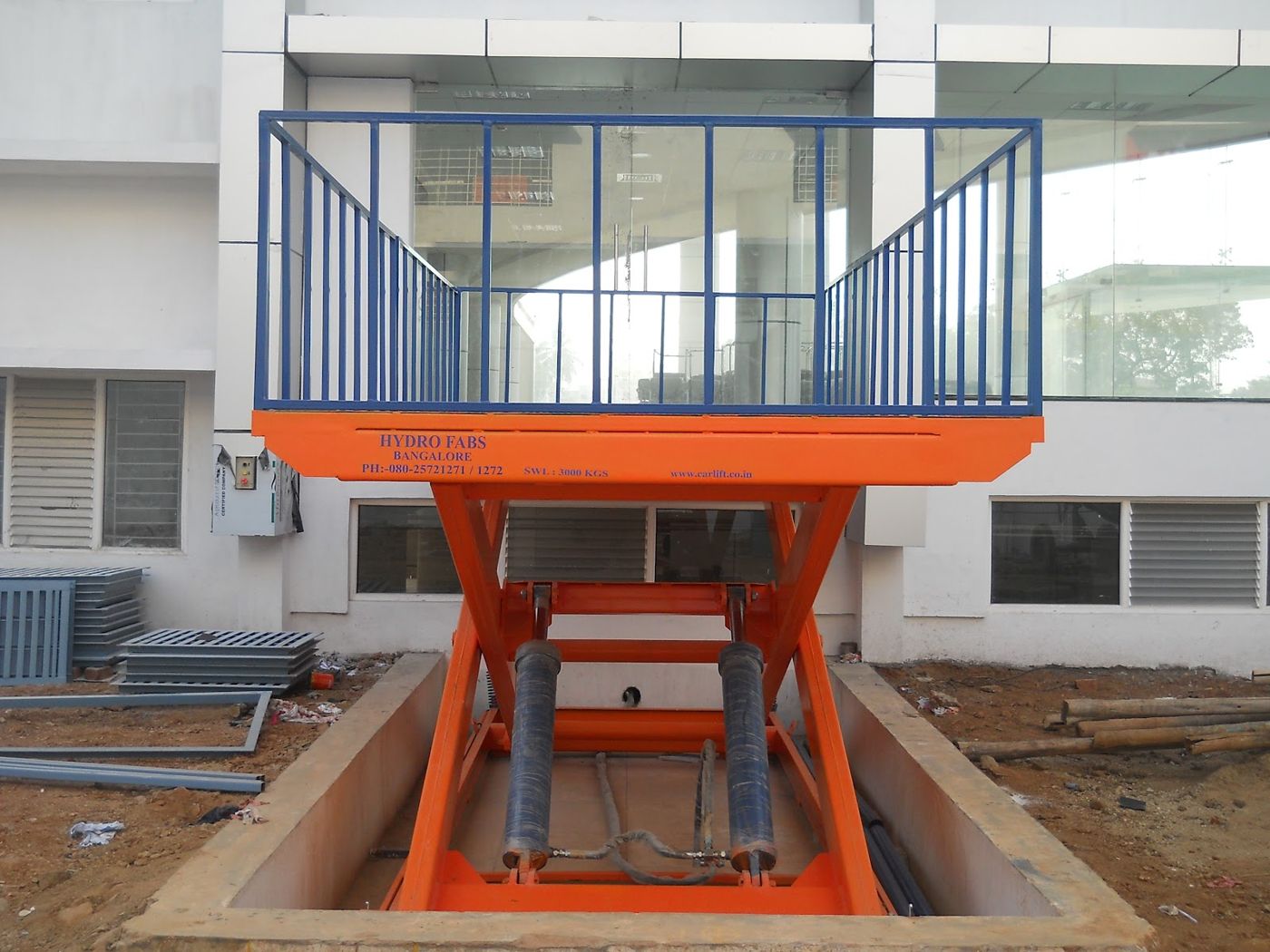
- Hydraulic elevator: a pump pushes oil into a cylinder that raises the car. Releasing the oil lowers it.
- Traction elevator: a motor turns a sheave that moves ropes. A counterweight balances the car and saves energy.
The elevator article on Wikipedia gives wider background on both.
Where hydraulic fits best
- Low and medium rise buildings and short travel.
- Heavy loads such as goods and vehicles.
- Sites where a machine room above the shaft is not available.
- Projects where a simple mechanism is preferred.
Where traction fits best
Tall buildings with frequent passenger trips use traction because it can travel high and move quickly.
Points to compare
- Travel height and number of stops.
- Load: goods, vehicles or passengers.
- Space for the shaft, pit and power pack.
- Running cost and maintenance support.
- Customisation, since hydraulic lifts are easy to build to size.
Maintenance and service
Hydraulic units need oil checks, seal inspection and valve servicing. Traction units need rope, sheave and brake inspection. Either type needs a service partner who responds fast, so ask about service before you decide.
A quick decision guide
- Goods, heavy items or vehicles over a few floors: hydraulic.
- Frequent passenger use in a tall building: traction.
- No room for a machine room above the shaft: hydraulic is often easier to fit.
- A tight budget and short travel: hydraulic is usually simpler.
Typical applications of each
- Hydraulic: small commercial buildings, warehouses, workshops, showrooms, goods and car lifts.
- Traction: offices, hotels and apartment towers with many floors and frequent passenger trips.
Questions to settle before choosing
- How many floors and how high is the travel?
- Will it carry goods, vehicles or passengers?
- Is there room for a machine room, or only a shaft and pit?
- What are your running and service expectations?
- Who will service the lift in your city?
Answer these five and the choice is usually clear. If the answers sit between the two, ask the manufacturer to explain the trade-offs for your building in writing.
Our view
For goods, vehicles and low-rise use, a hydraulic design is practical. Hydro Fabs builds hydraulic goods lifts and car elevators for such sites. Compare against electric options in hydraulic goods lift vs electric lift.